The 12-Yard War
Is the penalty shootout a lottery or an ultimate test of psychological skill?
By Charlie Benson
From the center circle to the penalty spot is approximately 40 yards. At a standard pace, it takes about 20 seconds. For a soccer player, it’s the longest 20 seconds of their life. The most stressful moments in the sport come during the penalty shootout. Palms sweat, tunnel vision sets in, and, worst of all, the nerves take over.
As the ball is placed on the spot, the goalkeeper is already intimidating them in every way possible, acting as hostile as they can to throw the taker off their game.
For years, the penalty shootout has been dismissed as a lottery. The argument is fairly straightforward: Why should a 120-minute intense soccer game be decided by something like a coin flip? On average, soccer players run 6.4 miles in a 90-minute match. Other than celebrations and the short run up to the ball, the shootout contains no running. With the 2026 World Cup approaching, a tournament expected to feature more shootouts than any in history, the nuance of the shootout is worth evaluating.
The shootout is not a lottery. It’s a psychological struggle.
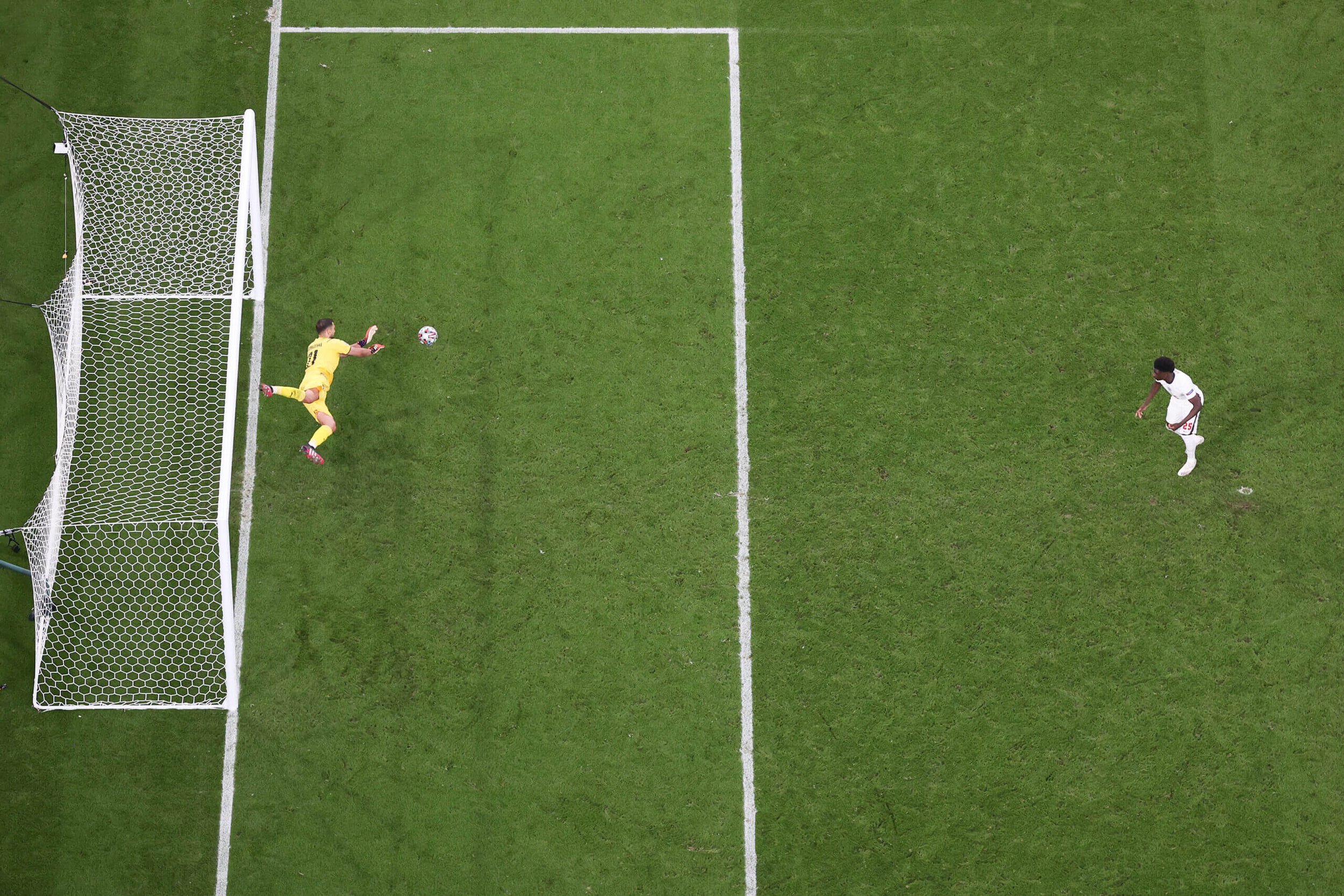
Chloe Kelly wins the 2025 European Championship for England. (Video by FOX / UEFA)
Sergio Busquets misses a penalty for Spain against Morocco in the 2022 World Cup (Video by FOX / FIFA)
"The skill element is an obvious place to start," says Dr. Geir Jordet, a professor of psychology and soccer who has studied the shootout more closely than perhaps anyone else in the world. "We know that the best penalty takers in the world practice this performance endlessly."
However, practice cannot replicate in-game pressure. Coaches can try, though. Luis Enrique, the former Spain manager, had each of his players take 1,000 penalties before the 2022 World Cup. In contrast, Dutch manager Guus Hiddink had his 2002 South Korea team each take one penalty. Instead of walking from the halfway line, his players walked the entire length of the pitch. After the player took their penalty, the rest of the team acted like nothing happened, regardless of the result. Hiddink’s South Korea team scored every penalty they took in the 2002 World Cup quarter-final following this strategy. On the other hand, Spain fell to Morocco on penalties in 2022.
The urge to "end the pain" creates the illusion of a lottery. In reality, when a penalty shot is rushed, the player has failed the psychological test.
"A penalty kick transcends football," Jordet says. "It becomes more interesting because it’s also a wonderful test of your ability to deliver under pressure, to stay composed in a tricky situation, and to withstand the big importance of the moment."
For players, that pressure is physical and mental. "In training, it’s so much easier to hit the target. But in a real shootout, it’s more than just technique. I almost forget where I am for a second, and then snap back into it,” said Ruben Derksen, a semi-professional soccer player in the Netherlands.
In recent years, a possible pattern has emerged that could explain penalty success. A manager’s behavior before the shootout may impact how players perform. During the 2022 World Cup, a record five penalty shootouts took place. In all five, the teams who took the shorter time talking tactical instructions won.
"These people are about to go into the lions' den, almost literally speaking," Jordet says. "It’s a massive psychological challenge. What you need more than anything is to feel the connection, the contact, and the acceptance of your people."
Coaches can increase the psychological noise when they shout frantically and wave iPads around. "I think there is a limit to how much you should communicate," Jordet says. "Letting the players feel that you are there for them is very important."
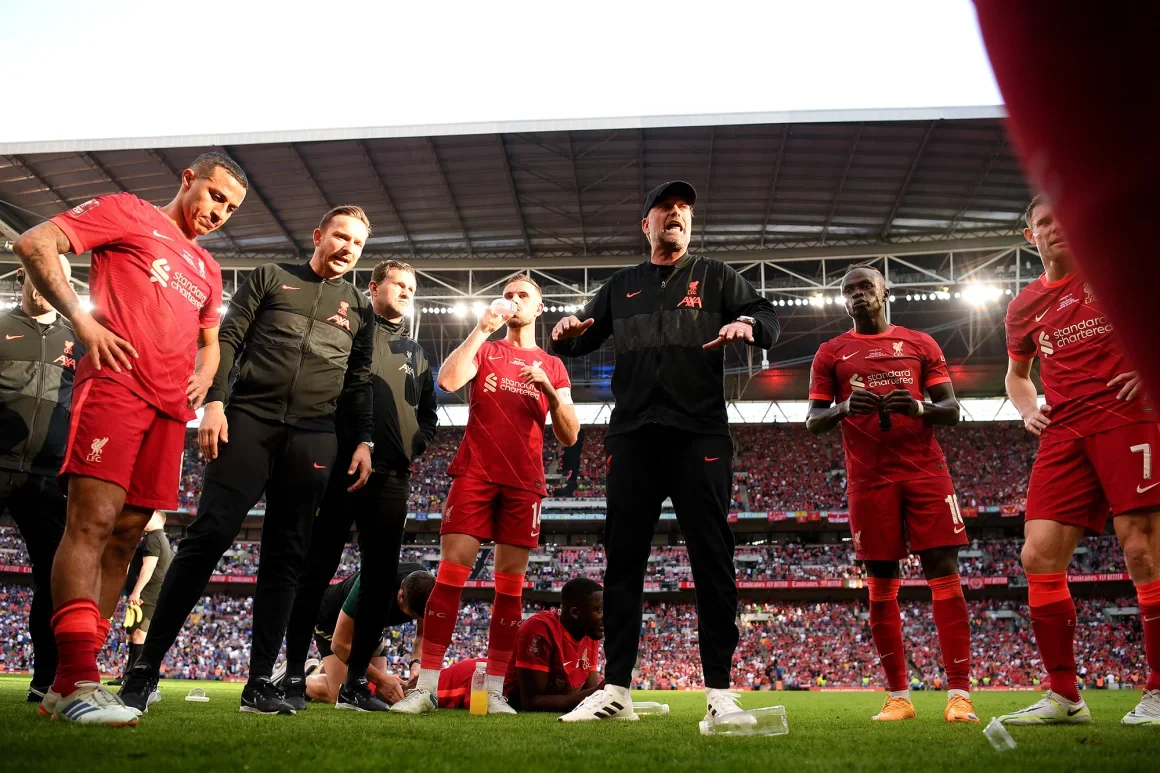
Jurgen Klopp prepares his Liverpool team before a penalty shootout in 2022. (Photo / Michael Regan/The FA/Getty Images)
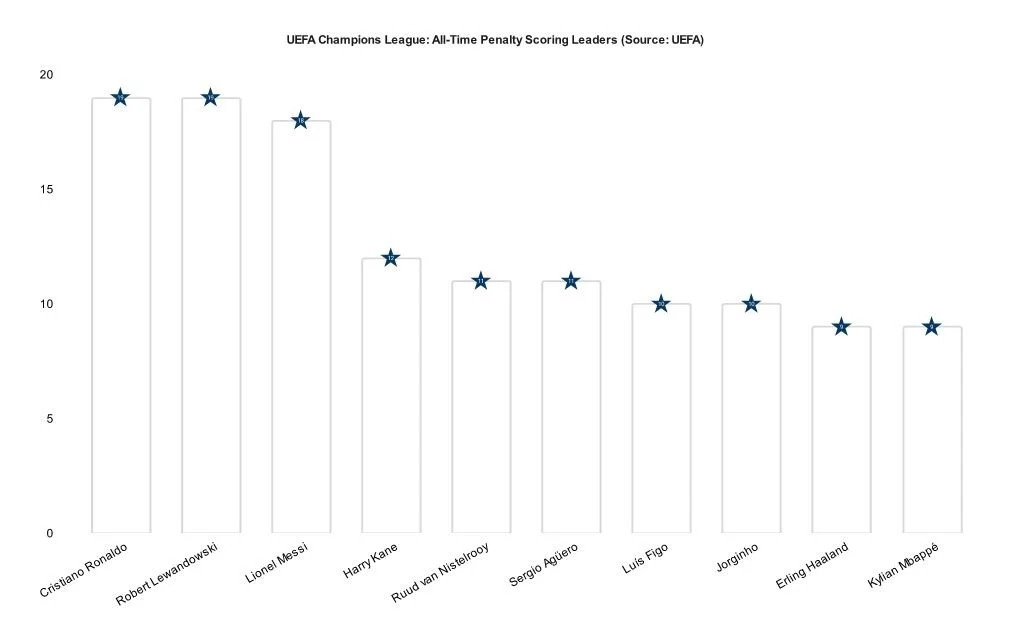
Of course, the kick is still controlled by the player. Or is it? Recently, the game has been changed by players.
Superstar Erling Haaland is known for a routine where he stands over the ball, almost forcing the referee and the goalkeeper to wait on him.
"It is his way of... getting a little bit more control of what’s happening," Jordet says of the Haaland technique. "By letting the referee blow the whistle earlier in his routine... he gets to decide when he does what. In many ways, this situation is a battle about control. If you can wrestle a little bit more control over to your side, that is a benefit."
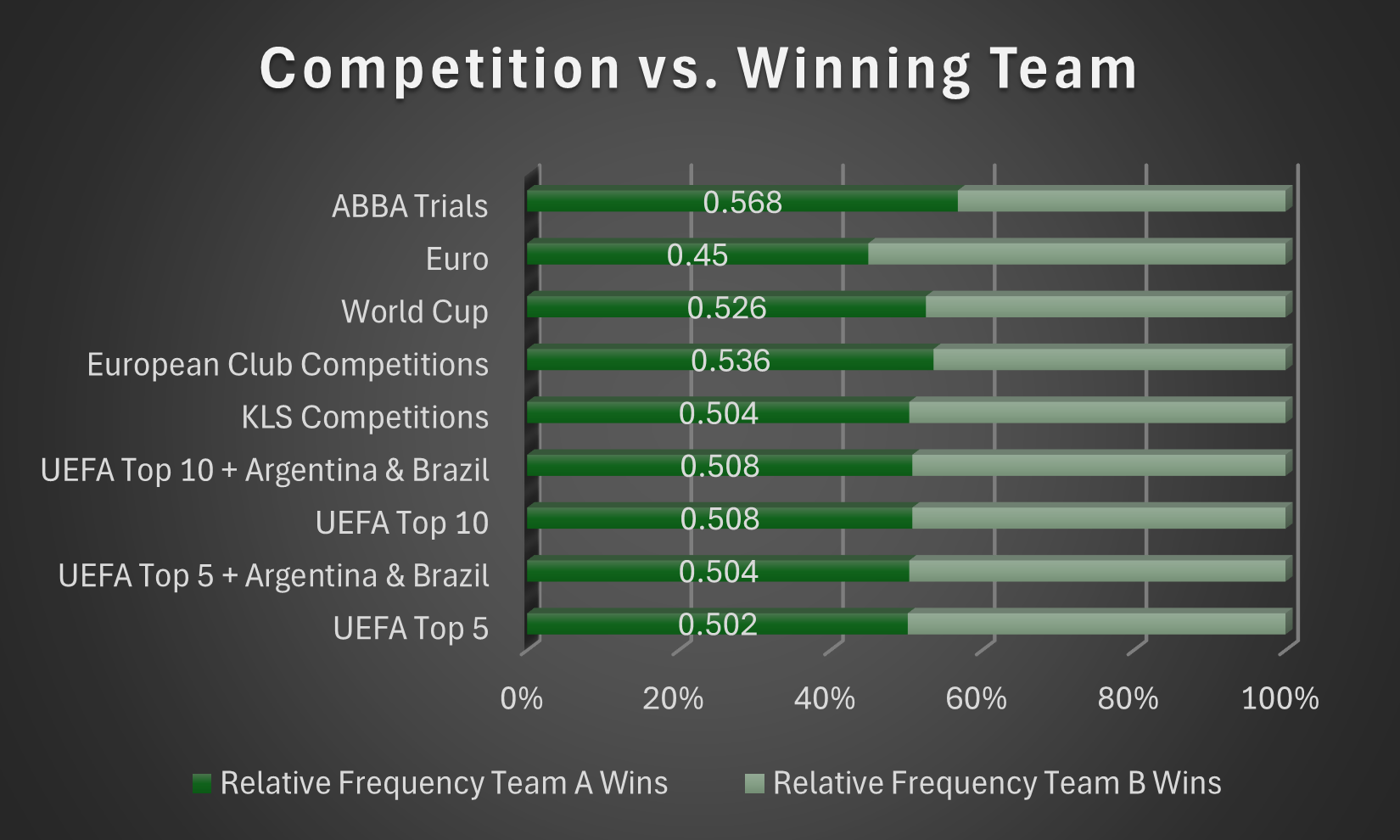
For years, the penalty shootout was thought to give one team a significant advantage. Statistics from the 2000s showed a "first-mover advantage.” The team kicking first won about 61% of shootouts. This advantage led to calls for new formats, such as the “ABBA” order.
However, recent data shows that advantage has nearly vanished, with win rates settling closer to a 50/50 split.
"It’s a weird phenomenon for it to shift so rapidly," Jordet says. He is admittedly puzzled by it. "I suspect it could be just awareness of this that made teams, coaches, players, goalkeepers, find kind of quiet, implicit ways to deal with it.”
As the 2026 World Cup approaches, the penalty shootout remains one of the most dramatic and intense finishes in sports. For fans watching this summer, maybe take a look at which manager is barking at their players and which one is more reserved. Maybe explain to a friend the psychological struggle. When a player steps up to the spot, we aren't watching a lottery. We are watching the ultimate test of psychological strength.
Data via Pipke, 2025.